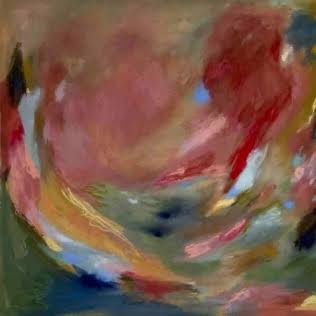
Lizzy McAlpine Opens the Door to a New Era
By Aiden Richards
Angel is the third studio album by Lizzy McAlpine, and it feels like an album written from somewhere between letting go and still holding on. There’s something incredibly intimate about Angel . It doesn’t feel like McAlpine is trying to give you all the answers. Instead she lets the songs sit in the uncertainty, the kind of uncertainty that comes with growing up, changing, loving someone, losing someone, and realizing that sometimes you can’t force things to stay the way they once were.
One of the coolest things about this album is how human it feels. McAlpine has always had a way of making incredibly specific emotions feel universal, and Angel feels especially vulnerable. The album feels less like a collection of songs and more like a conversation with yourself at 2 a.m. In “Two elevens” she explores the idea of looking backward without necessarily falling back into that hole. It’s about the people who changed you, the versions of yourself you’ve outgrown, and the realization that moving forward doesn’t always mean you’ve stopped caring. While “Ugly Things” captures the complicated feelings of still loving someone after things have fallen apart. In “Mason’s Song” McAlpine admits that she herself may have things to work on, grounding the album’s focus on personal growth.
Some songs feel like memories, some feel like goodbyes, and some feel like finally taking a breath after holding it for far too long. For example “The light in the painting” talks about the idea of holding onto a personal connection that has left a lasting mark, while “I have a friend” explores the comfort as well as loneliness that can exist within the relationship. That balance is what makes Angel work so well. It never feels like McAlpine is trying to manufacture an emotional moment. The emotion is already there, sitting underneath everything.
Angel is the kind of album that becomes more meaningful the longer you live with it. You might hear one song differently six months from now because you’ve become a different person in those six months. Some albums meet you where you are, while others grow alongside you. Angel feels exactly like that.
McAlpine has created something deeply personal without making it feel inaccessible. Angel is beautiful, heartbreaking, comforting and honest all at once. It’s an album about change, but more importantly, it’s an album about accepting that change is a part of being human.


You May Also Like

Age is Just Another Instrument, Sixty Years Later, They Still Have Something to Say: The Rolling Stones Foreign Tongues Album Review
International Women’s Day: Women In Music