
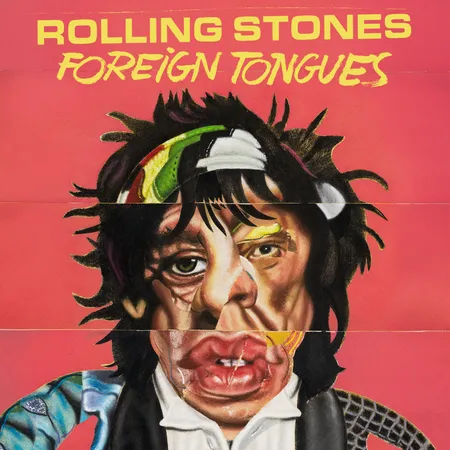
Age is Just Another Instrument, Sixty Years Later, They Still Have Something to Say: The Rolling Stones Foreign Tongues Album Review
By Aiden Richards
There’s a strange feeling that comes with listening to a new Rolling Stones album in 2026. Part of me expects nostalgia, a polished reminder of what the band once was. Instead, Foreign Tongues sounds like a group of musicians who are still curious, still restless, and still interested in making music rather than preserving a monument.
Foreign Tongues doesn’t try to pretend the past sixty plus years never happened. The Stones sound older, of course, but they sound older in the best possible way. The guitars are rougher around the edges, the vocals carry more texture, and the slower moments feel lived-in rather than forced. That wear and tear becomes part of the album’s personality, especially on tracks like “Never Wanna Lose You” and “Some of Us” where the they really embrace their roots that have always been the core of the band.
The record moves through blues, rock, country, and even touches of soul with a certain feeling that only comes from decades of playing together. “Rough and Twisted” delivers the major, blues driven sound that longtime fans will immediately recognize, while “Beautiful Delilah” and “Mr. Charm” bring an almost perfect energy that proves the band still knows how to write classic rock and roll. While on the other end of the spectrum, “In the Stars” slows everything down, allowing the band’s chemistry to do the emotional lifting. None of it feels rushed. Even the louder songs have a sense of confidence instead of feeling desperate. I never got the feeling that the band was trying to prove they could still rock.
Mick Jagger remains the center of gravity. His voice may not have the same sharpness it had in the 1970s, but he delivers these songs with charisma and conviction. Keith Richards’ guitar playing is my favorite part of the album. Every riff feels less like a technical performance and more like a conversation he’s been having with rock and roll for most of his life. Ronnie Wood adds color and looseness, keeping the music from becoming too polished.
Lyrically, the album feels surprisingly reflective. There are songs that sound amused by the modern world and others that seem to be looking backward without becoming trapped there. I kept noticing how often the band writes from the perspective of people who have seen generations come and go. That perspective gives the album emotional weight.
Not every track is unforgettable. A couple of songs drift by without leaving a strong impression, and the album is probably a little longer than it needs to be. But I’d rather hear a legendary band take a few risks than deliver a perfectly safe nostalgia package. Tracks like “Covered In You” and “Side Effects” may have not stood out to me as much of songs I’d highlight, but I still think they help to bring the album together.
What stayed with me after the final song was a feeling of gratitude. The Rolling Stones don’t need to make another album. Their place in music history was secure decades ago. The fact that they are still creating, still experimenting, and still sounding engaged is what makes Foreign Tongues special.
Foreign Tongues doesn’t belongs in the same category as Exile on Main St. (1972) or Sticky Fingers (1971), and that’s completely fine. It succeeds on its own terms. It sounds like experience, survival, friendship, and stubborn creativity pressed into a record. Foreign Tongues is less a comeback album and more a reminder that great artists never fully stop becoming who they are.


You May Also Like

2026 Grammy Predictions

Five Independent Record Stores That Keep The Culture Alive