Twenty Years of Taylor Swift: How a Teenage Country Singer Became One of the Most Influential Artists in Music History
By Aiden Richards
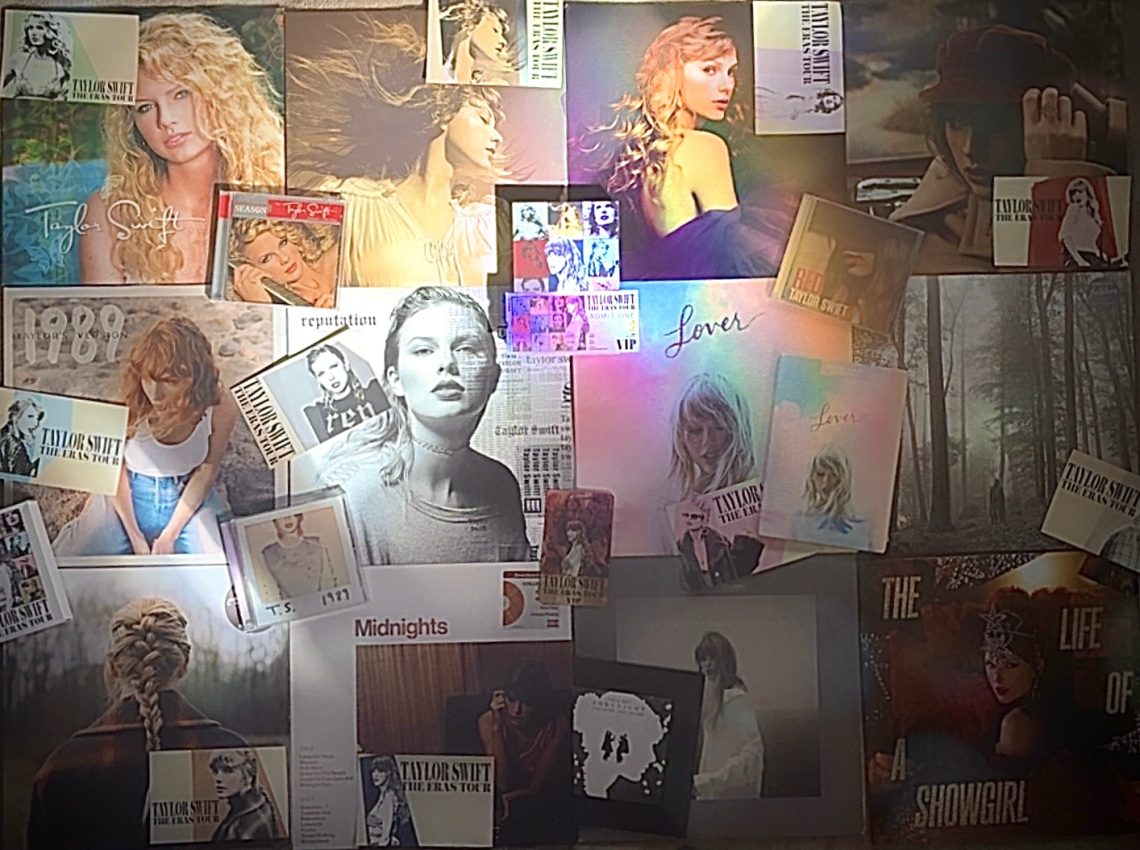
June 19, 2026, marks 20 years since Taylor Swift released her debut single, “Tim McGraw.” In the two decades since, Swift has transformed from a teenage songwriter trying to break into Nashville into one of the most successful, recognizable and influential artists the music industry has ever seen. Her career has been defined not only by commercial success but by constant reinvention, public scrutiny, industry battles, cultural impact and an ability to connect with audiences across multiple generations.
From country music prodigy to global pop superstar, from public controversies to record-breaking triumphs, Swift’s story is one of resilience, evolution and longevity in an industry where careers often fade long before reaching the 20-year mark.
The Beginning: A Dream Bigger Than Pennsylvania
Taylor Alison Swift was born December 13, 1989, in West Reading, Pennsylvania. Long before she became a household name, Swift displayed an unusual fascination with storytelling. While many children her age were writing school assignments, she was writing poems, stories and eventually songs.
Inspired by artists such as Shania Twain, Faith Hill, LeAnn Rimes and The Chicks, Swift developed a love for country music and began performing at local events throughout Pennsylvania. Recognizing her dedication and talent, her family made a life-changing decision: they relocated to Hendersonville, Tennessee, near Nashville, the heart of the country music industry. The move was a gamble. At an age when most teenagers were focused on school dances and sports, Swift spent her time meeting with publishers, writing songs and trying to convince industry executives that teenage girls wanted to hear songs written by another teenage girl. Many doubted her.
At the time, country music was largely dominated by adult performers singing about adult experiences. Executives questioned whether a young songwriter could successfully connect with audiences. Swift responded by doing exactly what she would continue to do throughout her career: writing honestly about her own life. At age 14, she became the youngest songwriter signed by Sony/ATV Music Publishing. Soon afterward, she joined the newly formed Big Machine Records, becoming the label’s first major artist.
2006: The Arrival of “Tim McGraw”
On June 19, 2006, Swift released her debut single, “Tim McGraw.”
The song was a simple story about young love and memories attached to music, but it immediately showcased what would become Swift’s defining strength: her ability to make deeply personal experiences feel universal.
Later that year, on October 24th, she released her self-titled debut album. Songs such as “Teardrops on My Guitar,” “Our Song,” “Picture to Burn” and “Should’ve Said No” introduced listeners to a songwriter whose greatest talent wasn’t just singing, it was making audiences feel as though she had somehow written songs about their own lives. The album spent years on the charts and established Swift as country music’s next major star. But even then, few could have predicted what was coming.
Fearless and the First Explosion of Success
In November 2008, Swift released her second studio album Fearless. The album changed everything.
Featuring songs such as “Love Story,” “You Belong With Me,” “White Horse” and “Fifteen,” Fearless turned Swift from a successful country artist into an international phenomenon. “Love Story” became one of the defining songs of the decade. “You Belong With Me” crossed over to mainstream pop audiences. Suddenly, Swift wasn’t just a country artist anymore. She was becoming one of the biggest stars in the world.
In 2010, Fearless won Album of the Year at the Grammy Awards. At just 20 years old, Swift became the youngest artist at the time to receive the award. She was climbing the industry ladder, and while it should have been a period defined entirely by celebration. Instead, one of the most famous moments of her career was about to unfold.
The 2009 VMAs: A Defining Cultural Moment
On Sept. 13, 2009, Swift won Best Female Video at the MTV Video Music Awards for “You Belong With Me.”
As she stood on stage accepting the award, American rapper Kanye West unexpectedly walked onto the stage, took the microphone and declared that Beyoncé had one of the greatest videos of all time. The interruption lasted only seconds but Its impact lasted years.
The moment became one of the most replayed, discussed and debated incidents in entertainment history. It dominated headlines, sparked endless conversation and turned Swift into a central figure in popular culture. While the incident generated sympathy for Swift, it also marked the beginning of a new reality. Her life was no longer simply about music. Everything she did became a headline.
Speak Now: Proving Herself
In 2010, Swift released her third studio album Speak Now.
The album carried an additional challenge. Critics had begun questioning whether Swift truly wrote her own songs. To silence those doubts, she wrote every song on the album entirely by herself. The result was one of the most ambitious projects of her early career. Songs like “Mine,” “Back to December,” “Enchanted,” “Long Live” and “Dear John” showcased her growth as a songwriter while proving that she was far more than a manufactured pop star. The album debuted with massive sales and further established her reputation as one of music’s premier storytellers.
Red: The Bridge Between Two Worlds
By 2012, Swift faced another challenge.
How could she continue evolving without abandoning the audience that helped build her career? The answer was her fourth studio album Red.
The album blended country, pop, rock and electronic influences into a sound unlike anything she had previously released. It featured massive hits including “We Are Never Ever Getting Back Together,” “I Knew You Were Trouble” and “22.” Yet the song that would ultimately define the album wasn’t initially released as a single.
“All Too Well” became beloved by fans for its emotional depth and detailed storytelling. Over time, it evolved into one of the most celebrated songs of Swift’s career. Today, many critics consider Red one of the greatest albums of the 2010s. It also laid the foundation for her most dramatic reinvention.
1989: The Pop Transformation
In 2014, Swift officially left country music behind. With her fifth album 1989, she embraced pop completely. The move was risky. Genre changes have ended careers before. Instead, it elevated hers.
Featuring hits such as “Shake It Off,” “Blank Space,” “Style,” “Wildest Dreams” and “Bad Blood,” the album became a cultural phenomenon. Swift wasn’t just succeeding in pop music. She was dominating it. 1989 won Album of the Year at the Grammy Awards, making Swift the first woman ever to win the category twice for her own albums. She had reached a level of fame few artists ever experience.
And with that fame came a growing backlash.
The Fall: 2016 and the Height of Public Backlash
By 2016, Swift was one of the most famous people on Earth.
Unfortunately, she was also becoming one of the internet’s favorite targets. Years of media scrutiny surrounding her relationships, friendships and public image had begun creating fatigue among some audiences. Then came the controversy involving Kanye West and Kim Kardashian. After disputes surrounding West’s song and video for “Famous,” which sexually exploits the star, portions of a phone call were leaked online. Public opinion rapidly turned against Swift. Social media exploded. Snake emojis flooded her accounts.
“#taylorswiftisoverparty” trended online.
For perhaps the first time in her career, Swift found herself facing overwhelming public backlash.
Many believed her career would never recover. Instead of responding publicly, Swift disappeared. For much of 2016 and 2017, she largely stepped away from the spotlight. No interviews, few appearances, minimal public activity. For a celebrity whose every move had once dominated headlines, the silence was deafening.
Reputation: The Comeback
After months of near silence, fans began noticing something unusual on Aug. 21, 2017. Swift’s social media accounts, which had been wiped clean days earlier, suddenly featured a cryptic video of a snake’s tail. Another snake video followed, then another.
The posts immediately sparked speculation across the internet. For more than a year, snake emojis had been used by critics to mock Swift during the height of the 2016 backlash. Rather than ignoring the symbol, she appeared to be reclaiming it.
Within days, Swift announced her sixth studio album, Reputation, signaling not only the end of her disappearance but the beginning of one of the most anticipated comebacks in modern pop music history.
The lead single, “Look What You Made Me Do,” immediately shattered records. Instead of allowing others to define her story, Swift reclaimed it herself. The Reputation Stadium Tour became one of the highest-grossing tours ever at the time and demonstrated that despite years of criticism, her fan base remained incredibly strong.
Lover and a New Beginning
By 2019, Swift appeared ready to move forward.
Her ninth studio album Lover embraced brighter themes, colorful visuals and a more optimistic tone. It also marked her first studio album released after leaving Big Machine Records. Behind the scenes, however, another major battle was unfolding. One that would eventually reshape conversations throughout the music industry.
The Masters Dispute
In 2019, Swift revealed that the master recordings for her first six albums had been sold without her approval. The news sparked widespread debate regarding artist ownership and creative rights. Rather than accepting the situation, Swift announced a bold plan. She would re-record her old albums.
Many observers questioned whether fans would support the effort. They underestimated both Swift and her audience. Beginning with Fearless (Taylor’s Version) in 2021, the re-recording project became one of the most successful artist-led business decisions in modern music history. The project transformed industry discussions about ownership, contracts and artist rights.
Folklore and Evermore: Reinvention During a Pandemic
Then came 2020. The COVID-19 pandemic shut down much of the entertainment industry.
Concerts stopped. Tours were canceled. Music releases slowed. Swift however did the opposite.
In July 2020, she surprised fans with Folklore. Five months later, she released Evermore. The albums marked another dramatic artistic shift, embracing indie-folk and alternative influences. Both projects received critical acclaim.
Folklore won Album of the Year at the Grammy Awards, making Swift the first woman to win the category three times. At a moment when the world felt uncertain, Swift delivered some of the most respected work of her career.
Midnights and the Beginning of a New Era
In 2022, Swift released her tenth album Midnights.
The album broke streaming records worldwide and demonstrated that nearly two decades into her career, she remained one of music’s most dominant commercial forces. But the album itself would soon be overshadowed by what came next.
The Eras Tour: A Global Phenomenon
When Swift announced The Eras Tour in late 2022, few expected what would follow. Beginning in March 2023, the tour quickly became more than a concert series. It became a global event. Fans traveled across countries and continents. Hotels sold out. Restaurants benefited from increased tourism. Local economies reported measurable impacts. Swift even had world leaders asking her to play in their countries.
Friendship bracelets became cultural symbols. Entire cities temporarily transformed into Swift-themed celebrations. The show itself spanned nearly every era of her career, lasting more than three hours and featuring dozens of songs. By the time the final performance concluded in Vancouver in December 2024, The Eras Tour had become the highest-grossing tour in music history, generating more than $2 billion. The accompanying concert film also became one of the highest-grossing concert films ever released.
The tour wasn’t simply a success. It was a cultural phenomenon studied by economists, marketers and entertainment executives alike. A Global Icon.
The Tortured Poets Department
Despite spending much of 2023 and 2024 on the road with The Eras Tour, Swift continued to write and record music. On April 19, 2024, she released The Tortured Poets Department, her 11th studio album. Just hours after its release, Swift surprised fans by announcing an expanded double album edition, The Tortured Poets Department: The Anthology, bringing the project to 31 songs.
The album explored themes of heartbreak, self-reflection, fame and personal transformation, while showcasing some of the most detailed songwriting of Swift’s career. Commercially, the project became another milestone. It broke streaming records, dominated charts around the world and became one of the best-selling albums of 2024. Songs such as “Fortnight,” “I Can Do It With a Broken Heart” and “Who’s Afraid of Little Old Me?” quickly became fan favorites.
The album also provided a unique snapshot of a period when Swift was simultaneously navigating unprecedented professional success and intense public attention. Released during the height of The Eras Tour phenomenon, The Tortured Poets Department demonstrated that nearly two decades into her career, Swift remained capable of creating music that generated both critical discussion and massive commercial success.
The Life of a Showgirl
Only 18 months after The Tortured Poets Department was released, on October 3rd 2025, Swift entered a new chapter with the release of The Life of a Showgirl, her 12th studio album. Coming after the historic success of The Eras Tour, the project reflected on the realities of life in the spotlight, examining the pressures, expectations and sacrifices that accompany global fame.
The album arrived at a time when Swift had already cemented her place among the most successful artists in history. Rather than attempting to recreate past successes, The Life of a Showgirl looked inward, exploring the relationship between performer and audience while reflecting on nearly two decades spent under public scrutiny.
Not every response was universally positive. While the album was commercially successful and praised by many critics, some fans expressed mixed feelings about its sound and direction. Discussions across social media centered on whether the album’s slower, more reflective approach matched the energy and ambition of some of Swift’s previous releases.
Others felt the project would grow in appreciation over time, similar to albums such as Red (2012) and Folklore (2020) which gained even greater recognition years after their release. The conversation highlighted a unique challenge Swift has faced throughout her career: with a catalog spanning multiple genres and eras, each new release is inevitably measured against some of the most beloved albums of the past two decades.
2026: Moving Forward And Pursuing What’s Next After 20 Years
Today, Taylor Swift’s influence extends far beyond music. She has impacted fashion, social media, streaming, touring, marketing and artist ownership. Universities have offered courses examining her songwriting and cultural influence. Politicians have commented on her economic impact. Business leaders have studied her fan engagement strategies. Her fan community spans generations, with listeners who discovered her through country radio in 2006 standing alongside younger fans who first heard her through streaming platforms years later.
Few artists have successfully remained relevant across multiple generations. Even fewer have managed to grow larger with each passing decade.
Twenty years after “Tim McGraw,” Taylor Swift’s career stands as one of the most remarkable stories in modern entertainment. She survived industry skepticism when executives doubted teenage girls could sell records. She overcame public backlash that many believed would end her career. She reinvented herself across multiple genres. She challenged industry norms regarding ownership. She released critically acclaimed projects during a global pandemic. She completed the highest grossing tour in music history. Most importantly, she remained committed to the songwriting that first connected her with audiences in 2006.
For millions of listeners, Taylor Swift’s music has provided the soundtrack to first loves, heartbreaks, graduations, friendships, weddings, losses and new beginnings.
That may ultimately be her greatest achievement. Records will eventually be broken. Sales figures will change. Tours will come and go. But for twenty years, Taylor Swift has done something few artists ever accomplish. She hasn’t simply reflected a generation, she has helped define one. As her third decade in music begins, the story of Taylor Swift remains unfinished. Most recently Swift was seen entering Electric Lady Studios in New York on June 15th 2026 and not leaving until the early hours of June 16th causing speculation among fans and critics alike on what global empowering music she was working up next.


You May Also Like
Artists To Watch: Alexander Stewart – From Rising Star To Main Stage
International Women’s Day: Women In Music