
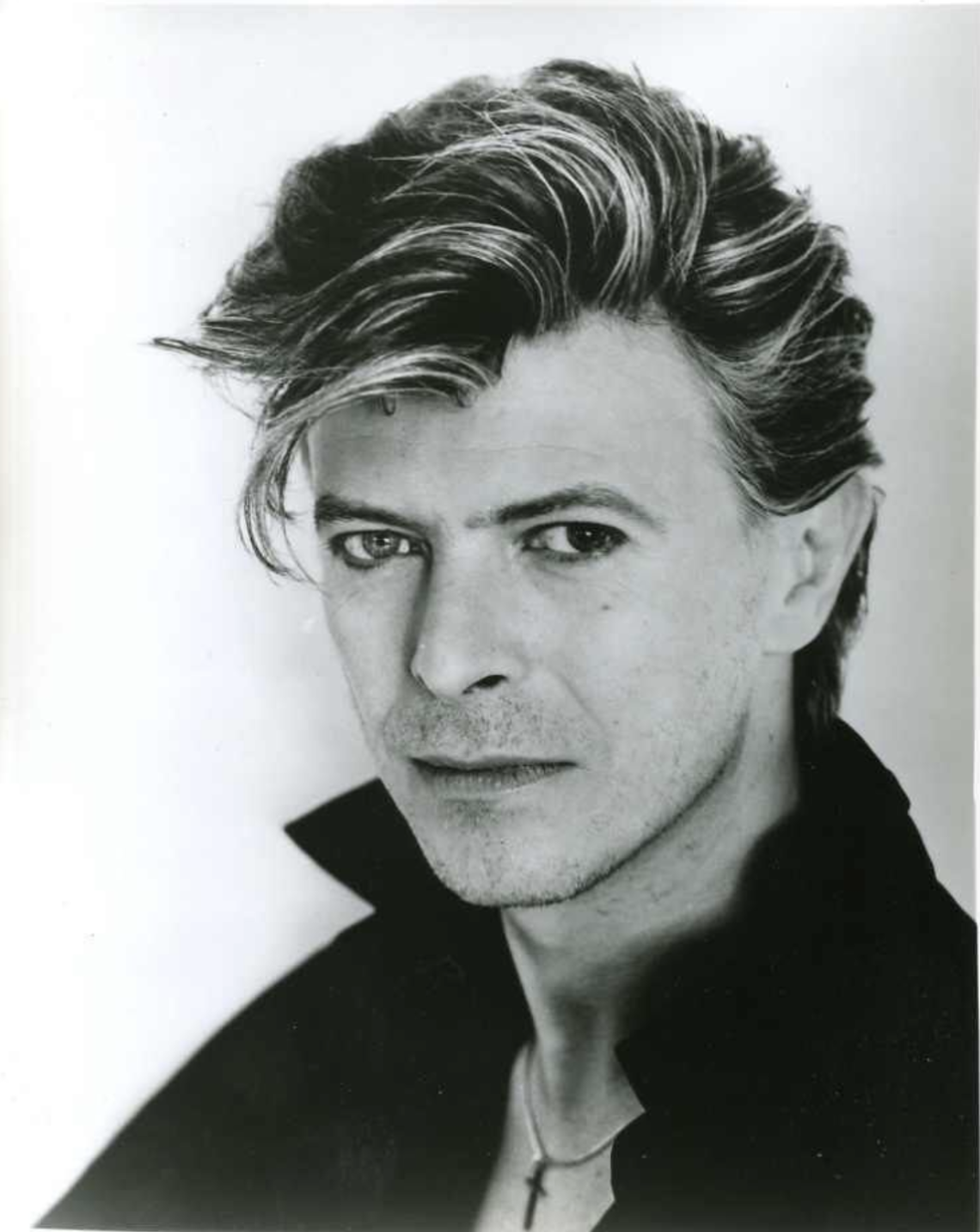
The Legacy Of David Bowie that Lives on Ten Years After His Death
By Kayla Harper
David Bowie has one of the most vast and expansive discographies of any artist, with 26 studio albums spanning from his self-titled debut David Bowie (1967) to ★ (Blackstar) (2016), released on his 69th birthday, two days before he would unexpectedly lose his battle to liver cancer. Despite the sudden shock to the rest of the world, it almost seemed as though Bowie had everything meticulously planned, curating his final goodbye as a grand gesture, in the form of his final album. ★ (Blackstar) (2016) explored concepts of mortality and fame, it felt like a farewell, leaving fans with one of his most profound releases to date –it is all too Bowie of him.
His legacy transcends that of other classic acts as his influence not only persevered over five decades in the entertainment industry, in which he collaborated with and individually impacted various artists and fans alike, but he permanently altered the way art is created and viewed not only from an aesthetic, sonic and theatrical standpoint, but from a culturally political one too.
A typical Bowie album release was much grander than most releases of the time for it was not just music, it was a cultural reset. If not the first, Bowie was arguably the most influential artist to build alternate personas and aesthetics around an album. As a result each album cycle became its own definitive era, defined by characters, colour palettes, fashion building entire worlds perfectly soundtracked by each record.
The concept of shifting identities, adopting alternate personas and dramatic visual components to albums became vital to female artists in establishing their own brand and musical identities. Today female artists have become prominent within the industry and well-respected, but even now this dramatic visual component has become a common branding technique among most modern day popstars. Taylor Swift, Sabrina Carpenter, Chappell Roan, –are just some popular artists right now who are known for creating complex universes around their music, shifting visual aesthetics and sometimes even sonically between album cycles. However, Bowie was the pioneer of this technique and without his influence it’s hard to say if these artists would be able to build the empires they have today.
His impact was not only culturally moving within the industry, it made a political statement as well. Besides his music taking part in political movements -like his cataclysmic 1987 performance of “Heroes” at Reichstag- Bowie was one of the first artists to challenge gender norms of the time, giving a voice to marginalized communities with his androgynous identity fluidity.
In a discography as large and diverse as Bowie, it would only seem likely that it would start to fall off at some point, or certain albums just wouldn’t land. However, that is barely the case with Bowie. While there are certainly albums that made a larger impact on the charts and culturally, the ones he is most remembered for, and of course the ones that hit or miss based on individual opinion and personal preference, there’s no denying the artistry that is intertwined throughout each record.
Bowie does not only define his album eras through visual aesthetics and personas, but also shifting sonically between records. Drawing influence from various facets of experience Bowie’s muses took many different forms: other musicians who in some cases became collaborators like Brian Eno; the environment around him, such as his time spent in America inspiring his 1975 release, Young Americans.
The one consistency that remained throughout every album was its cohesive integrity. Every song is loyal to the album which it belongs to. Listeners are taken on an instrumental journey through its thematic complexities, immersed completely in the musical world Bowie created.
Whether he is an artist you like or dislike, there is no denying Bowie’s ongoing influence on the industry, one that prevails even ten years after his death. He continues to inspire younger generations of up-and-coming artists, his music speaks to people across the globe and is being discovered by kids every day who will be impacted by its artistry. Bowie may have died on this day ten years ago, however, it’s clear he is not going anywhere soon and his legacy will live on.


You May Also Like

Calgary’s WANTS release debut album In Plain Sight
“The Tortured Poets Department”: A New Era