
13 Years Of Vessel: A Deep Dive Into Each Track
By Kaitie Harper
Released 13 years ago, Vessel is the second studio album by musical duo, twenty øne piløts (Tyler Joseph and Josh Dun), but the first album released under Fueled By Ramen. Vessel is one of the most career defining twenty øne piløts albums, as it evolved the band musically. Twenty øne piløts gained more recognition in their hometown, Columbus, Ohio following Vessel’s release. Since the release, the band has made history, as they are the first group to have every track on two albums certified gold and platinum, those albums being Blurryface (2015), and of course, Vessel (2013). Vessel was a major success, popular singles like, “Holding On To You” and “Migraine” went platinum, excelling further with “Car Radio” which went 2x platinum.
Joseph’s lyrical depth and writing ability are outstanding on Vessel, which explores themes of battling and overcoming mental health, and conflict with faith. Joseph uses metaphors, hooks, and storytelling that pull listeners into the album in a way that feels understanding, confrontational, and vulnerable. Dun’s personal touch on Vessel is significant, aside from the lyrics, listeners are pulled into the songs sonically too.
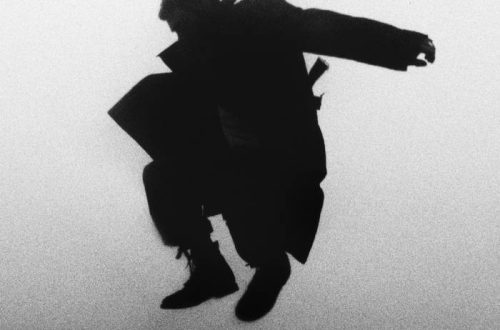
Vessel is the dark, vulnerable thoughts that confront us at the latest hour, turned into an immersive world in which we can relate and begin to understand those emotions. The album itself is a vessel, each song existing within it, telling its own story. This makes the listening experience feel like a journey through life within this vessel. The Vessel album cover plays a huge role in conveying the overall message within the album. On the cover is Joseph and Dun’s grandfather’s, chosen to represent a vessel as a physical body, but what is important is what lives inside that vessel. Though the physical body dwindles, what’s inside such as their music, message, and specific to their grandfather’s, wisdom that comes as we age that is passed down generationally lives on forever. Below is the story behind each Vessel track.
1. “Ode To Sleep”
Vessel opens with the energetic track “Ode To Sleep”. Transitioning between catchy, heavy rap verses, and a melodious, energetic chorus, “Ode To Sleep” encapsulates the battle between light and dark. The dark represents the unpleasant sides of ourselves and the light represents our strength and ability to overcome the dark and not let it take control. Joseph uses the light and dark metaphors alongside the sleep motif often. A strong track which discusses dark topics with an opposing hopeful undertone, something twenty øne piløts is well known for.
2. “Holding On To You”
“Holding On To You” follows “Ode To Sleep” sonically and thematically. Continuing a pattern of powerful rap verses, with catchy, vibrant choruses, “Holding On To You” emphasizes taking back control, especially from succumbing to our own mental health struggles. “Holding On To You” has an encouraging undertone, highlighting the importance of fighting back, finding purpose, and not letting your thoughts and mental health consume you, but rather building strength to take it down.
3. “Migraine”
“Migraine” hones in on dark side effects of mental health struggles like suicide, and the result of struggling with negative, violent thoughts. Joseph uses a migraine as a metaphor for the distress he is in, the war he is fighting against his own mind. “Migraine” is a vulnerable track as it delves into the mind as a violent, isolated place. Though “Migraine” takes a darker approach, Joseph continues to sneak in a layer of hope, as he encourages that we need to break away from this dark cycle, and though we feel we are in it alone, we are never alone in our struggle: “And I will say that we should take a day to break away / From all the pain our brain has made, the game is not played alone”. (“Migraine”, Vessel, Joseph)
4. “House Of Gold”
“House of Gold” is a heartfelt tribute to Joseph’s mother. The song expresses vulnerability, devotion, and love as Joseph makes an oath to always care for her, especially as she grows older. The song uses metaphors to communicate the extent he would go for his mother, and that he will always stand by her even though life is unpredictable. The song stands out because though it is an emotional and vulnerable track, it is lighter taking a break from darker topics on the album.
5. “Car Radio”
“Car Radio” is what it feels like to drown in our depression and violent thoughts, becoming consumed by them when we have no way to drown them out and the silence becomes too loud. “Car Radio” is an extended metaphor, the car representing our life and the car radio representing our external distractions and things we use to fight back and drown out the darkness. Silence is dangerous because when there is nothing to hide behind, our negative thoughts come at us full force and there’s no way out, we are forced to confront them. “Car Radio” takes a darker turn as it is the losing side of our depression and battle, but Joseph also uses it to advocate for finding something to fill that silence.
6. “Semi-Automatic”
“Semi-Automatic” is the contrast between good and evil, or the dark and light sides of ourselves. This track highlights insecurity, self-doubt, and internal struggle. Joseph uses the sleep metaphor heavily on this track, the night is when this dark side of him comes out in the absence of hope, but when the sun rises he is temporarily saved from this darkness, “When the sun is climbing window sills / And the silver lining rides the hills / I will be saved for one whole day” (“Semi-Automatic”, Vessel, Joseph). He’s split in half, the lighter parts of himself are those slivers of hope, faith that he’ll get through; the darker parts are when he is deep within his thoughts and losing hope in himself and faith.
7. “Screen”
“Screen”, like many of the other tracks, is an upbeat, fun sounding song, but covers dark topics. “Screen” explores the contrast between the difficulty in forming connections and the unity found in the fact we are all broken and face struggles, hiding reality behind a facade. “Screen” finds hope in knowing you are not alone. Though he is broken, struggling, and facing self-doubt, he hides these behind a protective wall, though it becomes easier to admit reality when not facing it alone, and finding a will to stay alive.
8. “The Run and Go”
“The Run and Go” seems to explore our tendency to push people away, out of the fear of burdening them with our problems. Although you could benefit from having someone to lean on to not carry the weight of your struggles alone. Joseph uses the metaphor of being a killer on the run, “I have killed a man and all I know is I am on the run and go” (“The Run and Go”, Vessel, Joseph). A metaphor for guilt and shame as a result of personal struggles, and feeling the need to not only hide these things from others, but run from them ourselves. “The Run and Go” does not only explore the fear of being an emotional burden, but the shame and guilt you go through when experiencing this and carrying emotional weight.
9. “Fake You Out”
“Fake You Out” continues talking about darker topics like suicide, depression, anxiety, and external pressure. Joseph is very likely also discussing his struggle with his faith, feeling disconnected and far away. “Fake You Out” addresses this idea of “fake it ‘till you make it”, he is broken, and pretending to be someone he isn’t by hiding reality inside, while how he appears on the outside is quite the opposite from reality. He does not portray himself truthfully, as he fears what is inside. “Fake You Out” addresses inner conflict apart from just mental health, but also finding some peace in the fact you are not alone, “Our brains are sick but that’s okay” (“Fake You Out”, Vessel, 2013).
10. “Guns For Hands”
“Guns For Hands”, comes from a personal place of concern for listeners going through similar struggles to Joseph. Joseph communicates an understanding for what others are going through, while also encouraging listeners to find positive outlets opposed to acting on these negative thoughts. “Guns For Hands” holds your hand, it is reassuring, understanding, and a safe space for anyone who struggles with these things and needs a push to keep going.
11. “Trees”
“Trees” has become one of the most significant twenty øne piløts songs. It acts as a summary of the main message behind their music to create and find purpose. “Trees” is a spiritual journey to find meaning, purpose, and connection. For Joseph, this song was most likely a spiritual journey trying to find his faith and connection to God. Though he is still filled with doubt, isolation, and uncertainty, “Trees” is when it starts to become more clear.
12. “Truce”
The most emotional, earnest track on the album, “Truce”, closes Vessel with a message of hope. Full of sincerity and honesty as it embraces acceptance, on “Truce” Joseph conveys that life is an unpredictable cycle, but the one thing we can be sure of is that our time here is temporary. “Truce” is a plea to stay alive, and make the time we do have here worthwhile, to fill it with purpose and meaning as we all die at some point, but we all get to live now, so keep trying, stay alive and keep staying.


You May Also Like

An Updated Taylor Swift Album Ranking + Taylor’s Version Vs The Original

Top Ten Albums of 2025